
Our Services

Culvert Engineering
Our culvert designs prioritize water flow management and environmental sustainability, preventing erosion and protecting aquatic.
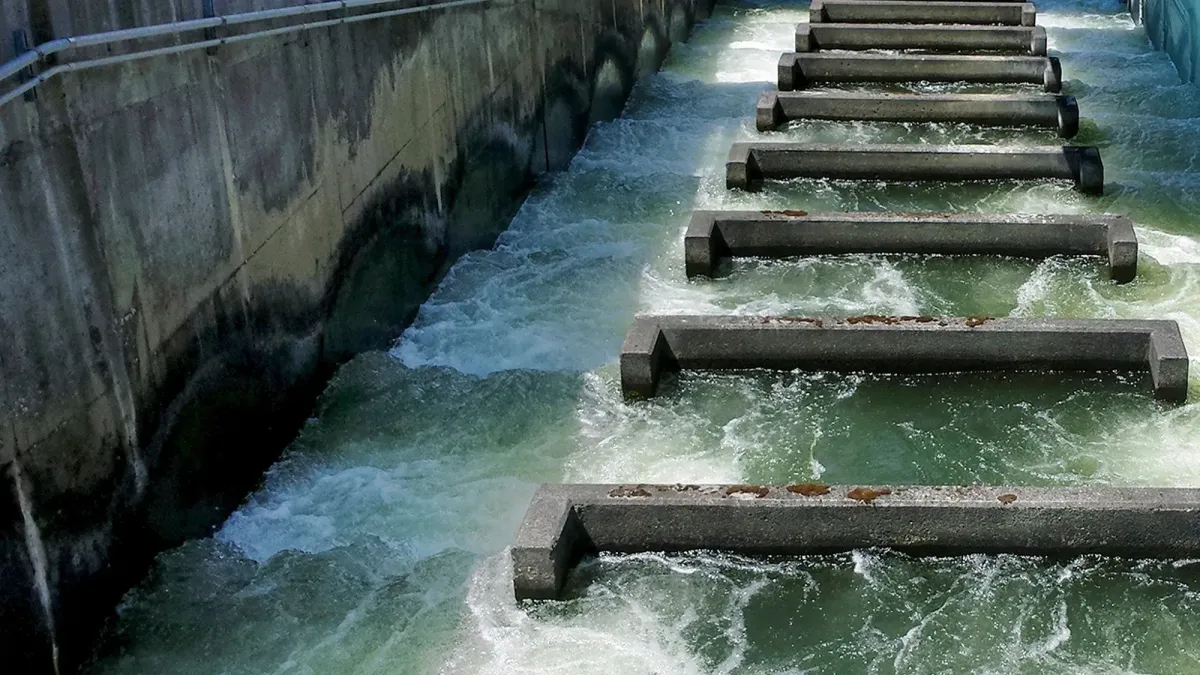
Fish Ladders and Passages
We create fish ladders and passages that support aquatic life, allowing safe and effective movement of fish through otherwise impassable.
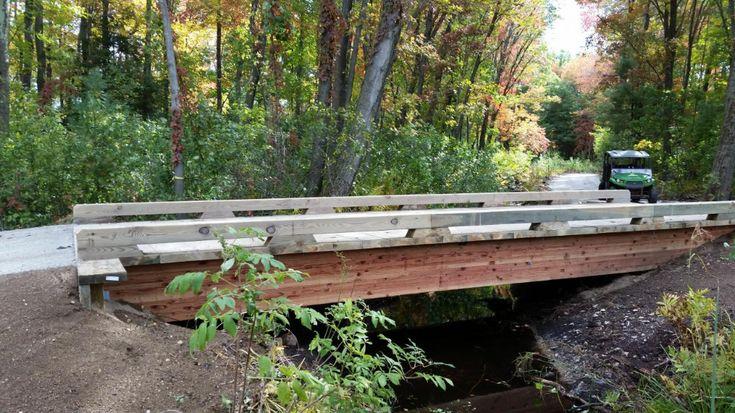
Bridge Design for Cars
Whether you need a simple timber bridge or a complex structure, our bridge designs blend seamlessly with the natural landscape.
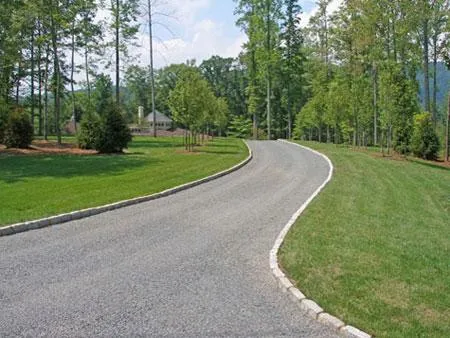
Road and Driveway Design
We design and engineer roads and driveways that ensure safe and reliable access while minimizing environmental impact.
Culvert Engineering
Our culvert designs prioritize water flow management and environmental sustainability, preventing erosion and protecting aquatic.
Fish Ladders and Passages
We create fish ladders and passages that support aquatic life, allowing safe and effective movement of fish through otherwise impassable.
Project management
Project cost estimating
How Civil Engineering and Structural Engineering Shape the Built World
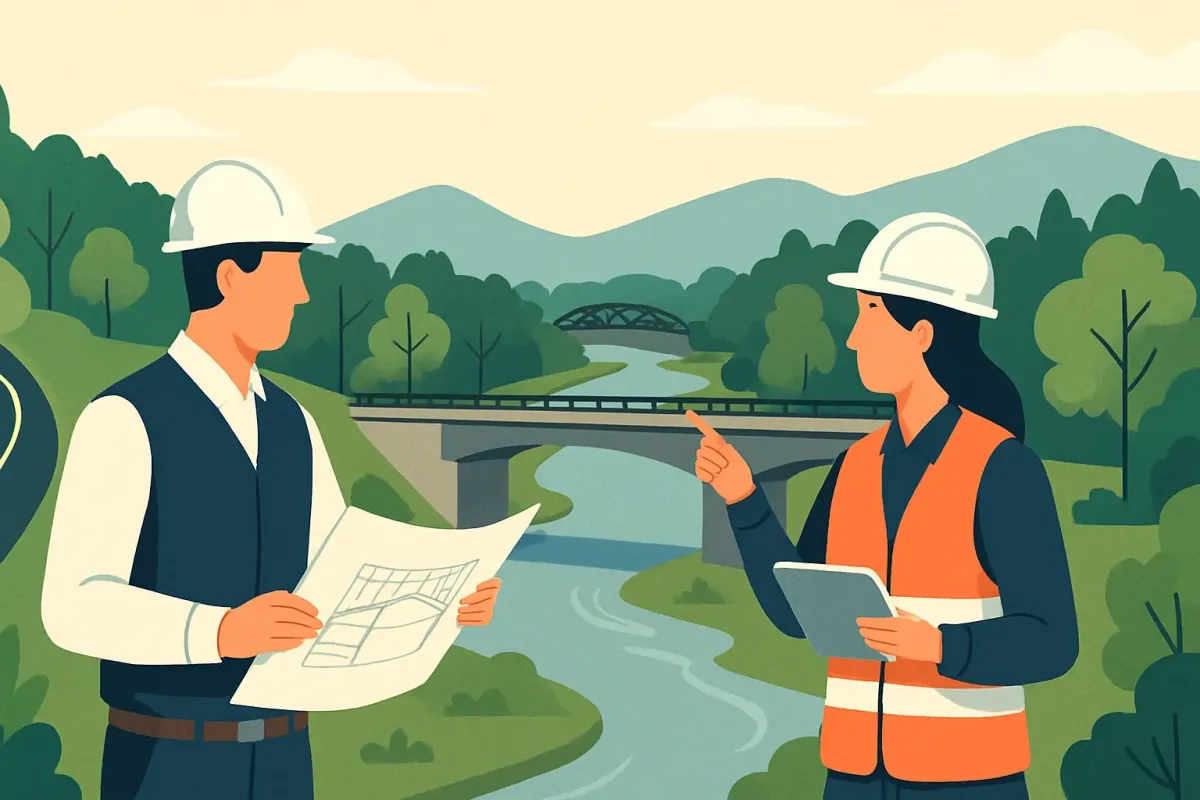
When you look at a bridge, a highway, or even a quiet walking trail that crosses over a stream, you’re seeing the combined influence of civil engineering and structural engineering. These fields often work side by side, yet they each bring their own responsibilities to designing safe, functional, and long-lasting structures. Many people think they’re the same profession, which is why the difference between civil and structural engineering is a common question among project owners, land managers, and even new engineers entering the field.
Whether you're developing public infrastructure or planning improvements on private land, understanding these two disciplines helps you choose the right professionals. It also ensures your project follows proper environmental stewardship and engineering standards—something companies like Bosk Engineering take seriously.
Civil Engineering: The Foundation of Every Project
Civil engineers are responsible for the big-picture planning of a project. They look at land, water flow, soil behavior, existing infrastructure, and environmental impact before putting any design in motion. Their job is to evaluate how a site behaves, how the project integrates with the surrounding environment, and what permitting or regulations come into play.
This broad responsibility naturally includes civil engineering and structural engineering considerations, since both disciplines must work together from start to finish. Civil engineers lay the groundwork by analyzing hydrology, grading, erosion risks, and geotechnical factors. They make sure a project is feasible long before the first design drawing is created.
A good example is a pedestrian bridge across a sensitive wetland. A civil engineer assesses the ecological footprint, soil stability, and long-term maintenance needs first. At this stage, the difference between civil and structural engineering becomes clear—civil engineers plan the entire site, while structural engineers will later focus on the specific load-bearing requirements of the bridge itself.
Structural Engineering: Precision for Safety and Strength
Once the groundwork is set, structural engineers step in to determine how to make the project physically sound. They calculate loads, stresses, and material behavior to ensure the structure is safe under all expected conditions. This is where civil engineering and structural engineering intersect most directly.
Structural engineers design beams, foundations, abutments, and support systems. Their work is focused, detail-heavy, and essential for preventing failures. On projects involving bridges, culverts, trail crossings, or elevated pathways, they select the appropriate materials and geometry to handle real-world forces like wind, water flow, and soil movement.
They also provide civil and structural engineering design expertise that complements the site plans prepared earlier. This dual perspective ensures a structure not only functions well but also lasts for decades with minimal impact on the environment.
Understanding the difference between civil and structural engineering is particularly important for projects in forests, wetlands, or rural areas where natural constraints are significant. Structural engineers must adapt their designs to respect the landscape—something Bosk Bridge Design is known for in their environment-first approach.
How These Two Disciplines Work Together
Although they have different responsibilities, civil engineering and structural engineering rely on each other at every stage. Civil engineers define what the site allows. Structural engineers define how the structure will stand.
Together, they create solutions that are:
1. Safe
Civil engineers evaluate the land; structural engineers ensure the structure can withstand expected loads.
2. Efficient
Both professionals collaborate to avoid overbuilding or underbuilding.
3. Environmentally Responsible
Civil engineers study site impact, and structural engineers design systems that minimize disturbance. You can see real examples of this collaborative approach on the Bosk Engineering
4. Long-Lasting
With proper civil and structural engineering design, projects are built to perform well for years with minimal maintenance.
Why Project Owners Should Understand the Difference
You don’t have to be an engineer to appreciate the importance of these two fields. Knowing the difference between civil and structural engineering helps you make better decisions when selecting a firm or managing a project.
It also allows you to ask the right questions:
Have the soil and terrain been evaluated?
Are the structures designed for realistic loading conditions?
Is the project minimizing environmental impact?
Does the design meet permitting and regulatory requirements?
When both disciplines are aligned, your project is more likely to stay on budget, avoid delays, and withstand long-term environmental stresses.
Firms like Bosk Bridge Design incorporate both civil engineering and structural engineering into their process, which means clients receive a comprehensive solution instead of a segmented one.
The Role of Design Innovation
Modern projects demand more than basic engineering. They need creative, adaptable solutions—especially in areas with sensitive ecosystems or challenging terrain.
This is where civil and structural engineering design becomes more than just calculations. It evolves into a thoughtful process that includes sustainability, aesthetics, and life-cycle planning. This type of innovation is essential in projects like wildlife-friendly crossings, low-impact boardwalks, and erosion-resistant trail infrastructure.
Engineers who specialize in both disciplines understand how to blend form and function without compromising the landscape.
Final Thoughts
Bridges, walkways, trails, and land development projects all rely on the combined expertise of civil engineering and structural engineering. The harmony between these two disciplines drives safety, sustainability, and long-lasting performance.
Understanding the difference between civil and structural engineering allows you to choose partners that truly understand the bigger picture—and the technical precision required to build responsibly.
Ready to bring your project to life that blends engineering excellence
Bosk Engineering specializes in integrated civil and structural engineering design for bridges, crossings, and land-based structures of all sizes.
A Message To You From Our Founder
Our Partners
















WA UBI: 605-598-272
OR Registration: 228538294
EIN: 85-0616388
WA UBI: 605-598-272
OR Registration: 228538294
EIN: 85-0616388


© 2025 | Bosk Engineering | All Rights Reserved.